
Juelia United Kingdom
0 Items | :
Sort By
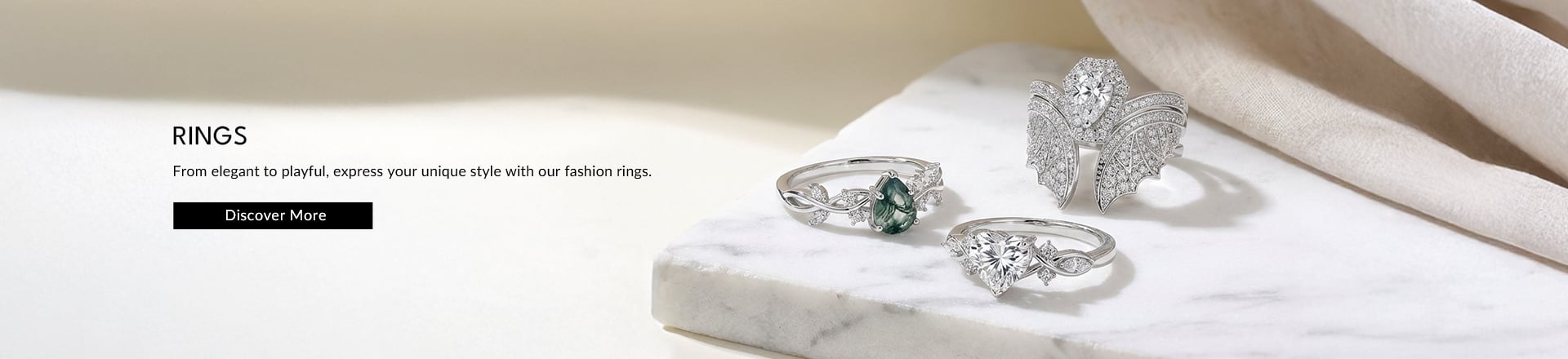
Jeulia Rings
Rings have long been cherished as symbols of love, commitment, and personal expression, transcending cultures and ages throughout history. From the ancient Egyptians, who adorned themselves with intricately designed gold and gemstone rings as a testament to their social status and divine favor, to today’s jewelry enthusiasts celebrating individuality through custom designs, rings have served as powerful emblems of identity and meaning.
 
In contemporary culture, engagement rings and wedding rings are particularly laden with significance, often chosen meticulously to reflect the unique bond between partners; the choice of metal, stone, and even engraving can embody deeply personal narratives and shared dreams. Beyond romantic associations, rings also serve as markers of achievement and authority, such as class rings for graduates or signet rings representing family heritage and lineage. Fashion and trends play a profound role in the way rings are perceived and worn, evolving from minimalist styles to bold statement pieces that showcase craftsmanship and artistry. Furthermore, cultural variations enhance the rich tapestry of ring symbolism; in some cultures, rings are exchanged in elaborate ceremonies, while in others, they signify commitments that extend beyond romantic attachments.
 
Fashion rings in the UK have become a vibrant playground for self‑expression, blending classic British heritage with cutting‑edge design. From the sleek, minimalist bands favoured by London’s street‑style crowd to the ornate, vintage‑inspired pieces that echo the country’s aristocratic past, the market offers something for every taste. Jeulia Jewelry designers are pushing boundaries with ethically sourced recycled metals, clash‑colour gemstones and 3D‑printed details, keep the trend accessible through affordable, on‑trend collections that rotate each season. Whether paired with a tailored blazer for a polished office look or stacked on a bare wrist for a festival‑ready vibe, UK fashion rings celebrate individuality, sustainability and a bold, unapologetic flair that defines the modern British style scene.
 
The intricate craftsmanship behind each ring, a modern piece featuring innovative design and technology, underscores the blend of artistry and emotional value that rings encapsulate. Every rings tells a story, reflecting not only the wearer's personal journey but also the collective history and cultural significance woven into the very fabric of our interactions with these timeless adornments.

More Recommend:


FAQ of Fashion Rings

What types of rings are most popular in the UK?

Engagement rings, wedding bands, promise rings, anniversary rings, and fashion/statement rings. Classic styles (solitaire, three‑stone, halo) dominate the engagement market, while simple, brushed or polished bands are favoured for weddings.

Are UK ring sizes the same as US or EU sizes?

No. The UK uses whole‑number sizes (e.g., size 6, size 7). A UK size 6 ≈ US size 6.5 ≈ EU size 52. Always check a conversion chart when ordering from abroad.

What are the main metal options for UK rings?

The principal metals used for rings in the UK span both traditional and contemporary choices, each regulated by the British Hallmarking Act to guarantee purity and quality. Classic options remain 9‑carat, 12‑carat and 18‑carat gold—available in yellow, white and rose hues—offering a timeless look and the flexibility to match a wide range of skin tones. Platinum, prized for its exceptional durability and naturally white luster, is a popular premium alternative, especially for engagement and wedding bands that must withstand daily wear. Sterling silver offers an affordable, hypo‑allergenic choice with a warm, bright tone. Modern alloys such as titanium and stainless‑steel have gained traction for their strength, lightweight feel and contemporary aesthetic, and they are both non‑allergenic and highly resistant to scratches. Finally, emerging materials like tungsten carbide and cobalt chrome are increasingly available in specialist jewellers, delivering a ultra‑hard, matte or polished surface for those seeking a distinctive, low‑maintenance ring.

What is the difference between a solitaire and a halo setting?

A solitaire features a single centre stone with no side stones. A halo surrounds the centre stone with a ring of smaller diamonds, adding sparkle and often making the centre stone appear larger.

Can I design a bespoke engagement ring?

Absolutely. Jeulia Jewelry offers a custom design engagement rings service that includes:Choice of metal, gemstone, and engraving setting.

Absolutely. Jeulia Jewelry offers a custom design engagement rings service that includes:Choice of metal, gemstone, and engraving setting.

Costs vary hugely. A simple custom gold band may start around £500, while a designer engagement ring with a 1 carat diamond can exceed £5,000. Always request a detailed quote before committing.

What ring trends are dominating UK markets right now?

Mixed‑metal bands (e.g., yellow gold centre with white gold accents). Vintage‑inspired cut‑clear diamonds (old‑mine style). Sustainably sourced lab‑grown diamonds, especially in 0.5–1 carat ranges. Stackable wedding bands for couples wanting multiple textures.

Are lab‑grown diamonds cheaper than natural ones?

Generally 30‑45 % less for the same carat, colour and clarity, while offering identical physical properties. They are also certified by the same labs (GIA, IGI) and are hallmarked as diamond.

What is the difference about wedding rings and engagement rings?

Wedding rings and engagement rings serve distinct roles in the journey toward marriage. An engagement ring is traditionally given when a proposal occurs, symbolizing a commitment to marry and symbolized by a stone, such as a diamond, often set in a more ornate design. It is usually presented as a token of intent and worn on the left ring finger until the wedding. In contrast, a wedding ring is exchanged during the wedding ceremony itself, representing the formal union of marriage. Wedding bands tend to be simpler—often a plain metal band—since they are worn daily and signify enduring commitment. While engagement rings are unilateral (given from one partner to the other), wedding rings are mutual, with both individuals exchanging bands to solidify their bond. Additionally, after the wedding, the engagement ring is often moved over, leaving the wedding ring closest to the heart. Though variations in design and tradition exist, the core distinctions lie in their symbolism, timing, and practical use.

What is a stackable ring? how to stack ring together?

A stackable ring is a thin, lightweight band—often plain metal, adorned with subtle gemstones, textures, or tiny motifs—designed to be worn in combination with other rings rather than as a single statement piece; its modest profile lets multiple pieces sit comfortably side‑by‑side on the same finger without crowding. To stack rings, start with a foundational band that fits snugly on your chosen finger, then add additional rings in order of size and style: place wider or more decorative rings toward the back (closest to the hand) to prevent them from catching on the narrower ones in front, and mix metals or patterns for visual contrast while keeping the overall thickness balanced. Adjust each ring’s position by gently sliding it up or down until the stack feels secure yet flexible—allowing you to rearrange or remove pieces easily for different looks or occasions.